Niokolo-Koba National Park: A True Wilderness for Bird Photography in West Africa
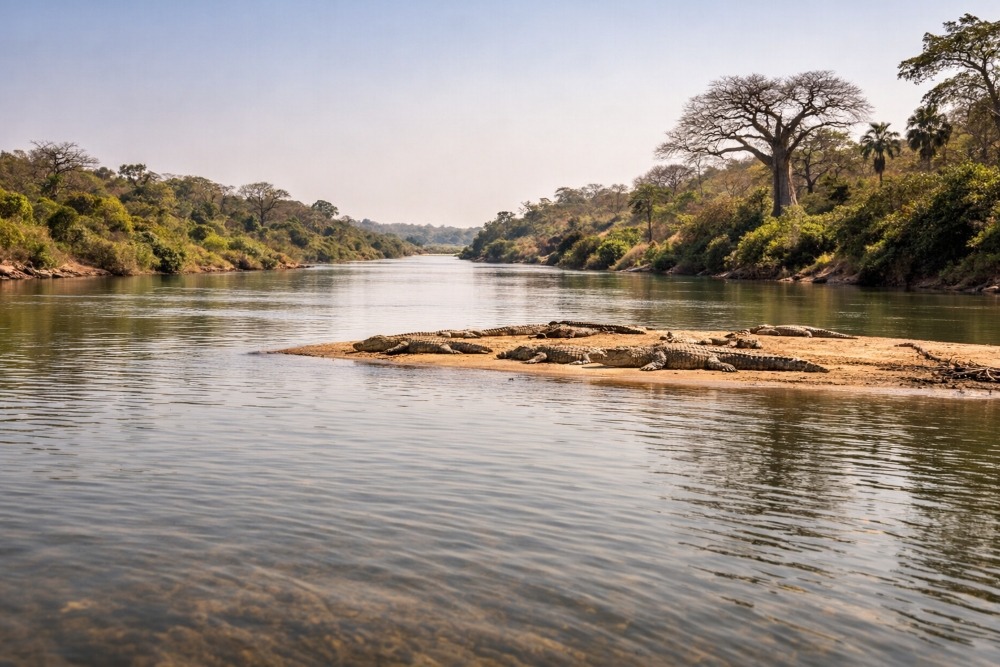
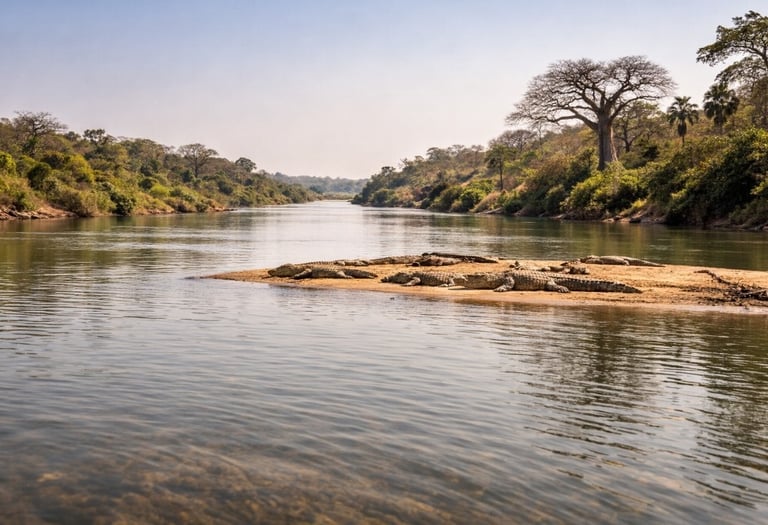
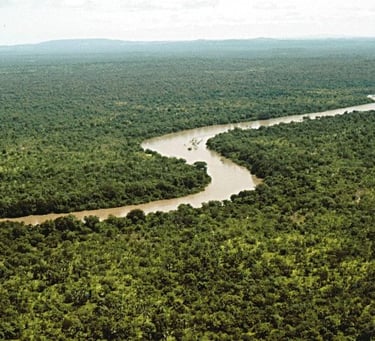
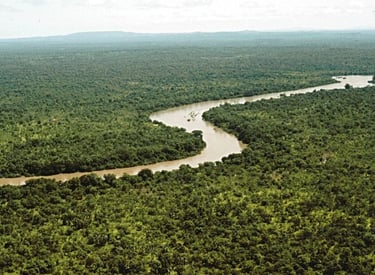
Niokolo-Koba National Park, located in south-eastern Senegal, is one of the largest and most undisturbed protected areas in West Africa. This UNESCO World Heritage Site stretches across vast savannas, gallery forests, wetlands, and river systems, creating an extraordinary mosaic of habitats that support remarkable biodiversity. Unlike many well-known safari destinations, Niokolo-Koba remains quiet, expansive, and largely untouched. Its scale and low visitor numbers allow photographers and bird enthusiasts to experience wildlife without pressure, noise, or crowded locations an increasingly rare opportunity.
A Unique Environment for Serious Birdwatchers
The park lies at the ecological transition between the dry Sahel and the humid Guinean forests. This meeting of climates creates ideal conditions for a wide range of species rarely found together elsewhere in West Africa.
Birdlife is exceptionally rich, with hundreds of recorded species thriving along the Gambia River and throughout the park’s varied landscapes. Sandy riverbanks, open woodland, and dense forest corridors offer constantly changing photographic situations, light conditions, and behaviour to observe.
Species such as Egyptian Plover, Violet Turaco, various raptors, bee-eaters, and nightjars are among the highlights that attract dedicated bird photographers to this remote region.
Niokolo-Koba is defined by its diversity of ecosystems:
Open savannas where antelope and ground-dwelling birds roam freely
Gallery forests that provide shade, nesting sites, and dramatic light contrasts
Seasonal wetlands attracting migratory species
The Gambia River, the lifeline of the park, drawing birds, mammals, and reptiles alike
This constant variation makes every day visually and biologically different — an essential ingredient for a rewarding photography expedition.
More Than Birdlife: A Complete Wildlife Experience
Habitats That Shape Extraordinary Biodiversity
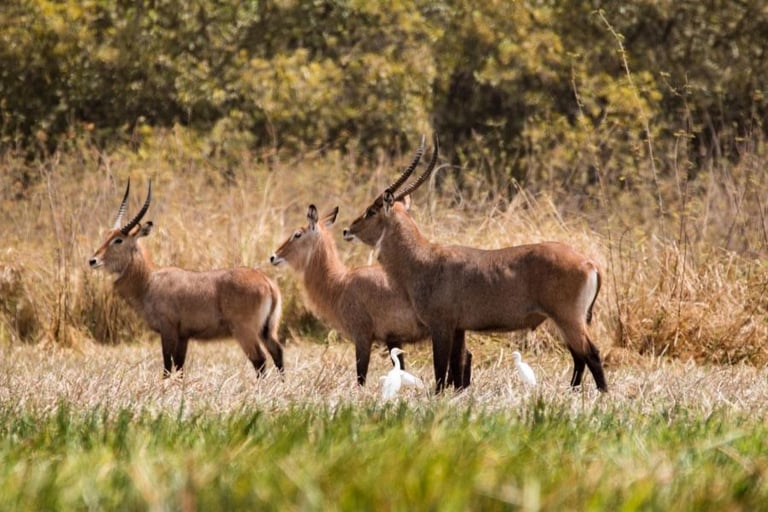
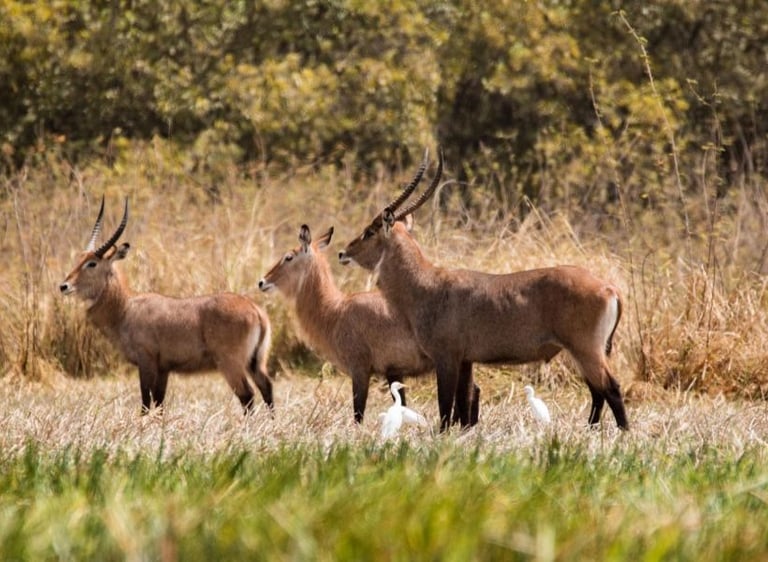
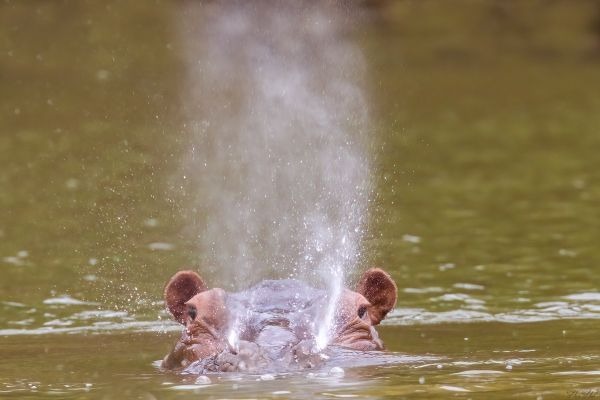
While renowned for birds, the park also supports a wide range of mammals and other wildlife. Warthogs, bushbuck, kob antelope, baboons, crocodiles, and hippos inhabit the same landscapes, contributing to a rich and balanced ecosystem.
This broader wildlife presence enhances the photographic experience, offering context, atmosphere, and storytelling possibilities beyond individual species.
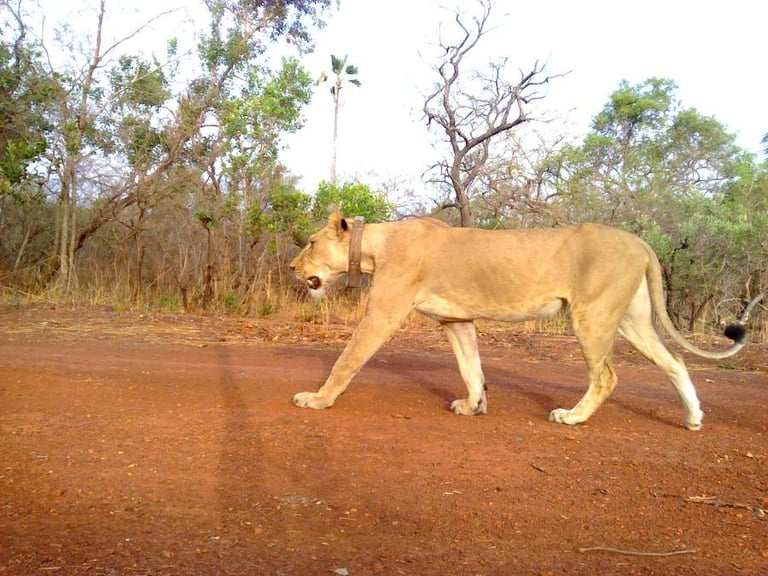
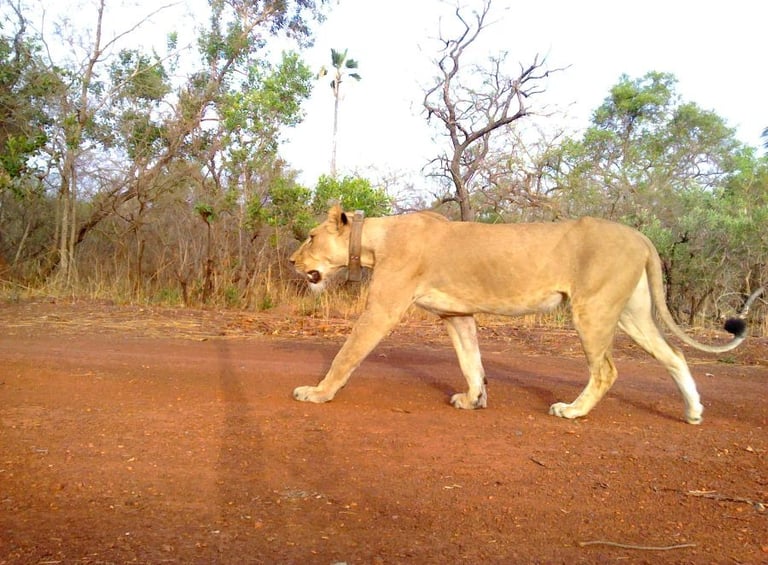
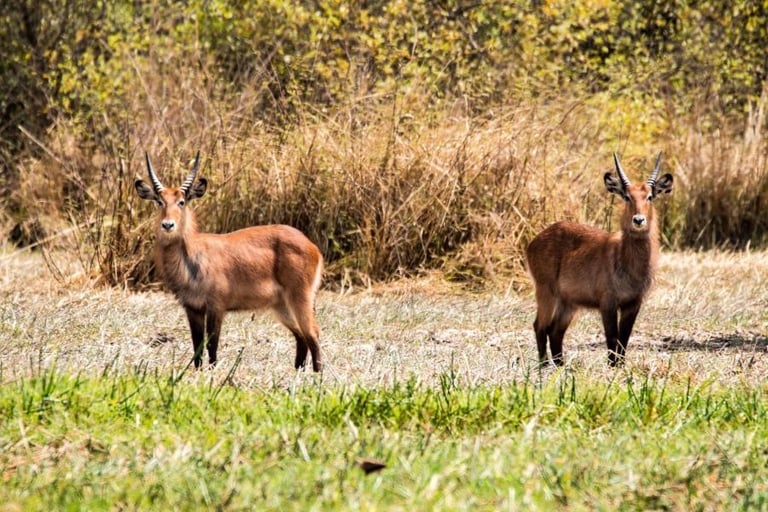
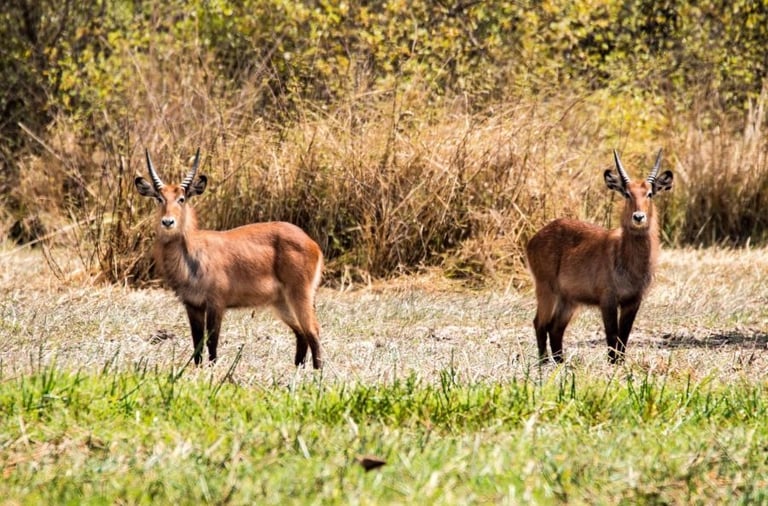
Niokolo-Koba is not a destination to “tick off” quickly. Its scale demands time — time to revisit locations, to wait for behaviour, to understand light, and to allow the rhythm of the landscape to reveal itself.
For this reason, extended stays are essential. Returning to the same areas over several days often leads to encounters and photographic opportunities that short visits simply cannot provide.
Why Time Matters in a Place Like This
Exploring Niokolo-Koba with Fatou Colley
Experiencing such a vast and complex environment requires local knowledge and careful planning. Fatou Colley, an experienced and highly respected bird guide in The Gambia and Senegal, leads visitors through this region with a deep understanding of habitats, species behaviour, and seasonal movements.
Her approach focuses on patience, positioning, and adapting to conditions — allowing photographers to work calmly and deliberately rather than rushing between locations.
Niokolo-Koba reveals its true character when combined with other key ecosystems in The Gambia and Senegal. Mangroves, rice fields, wetlands, and coastal zones complement the park’s inland wilderness, creating a journey that showcases the full ecological range of the region.
This combination forms the foundation of a carefully designed extended tour for photographers who want more than a brief impression — a journey built around observation, time, and meaningful encounters with West African birdlife.
Discover Niokolo-Koba as Part of a Longer Bird Photography Journey
➡️ You can explore this region during the dedicated 18-day bird photography tour in The Gambia and Senegal, where Niokolo-Koba forms a central highlight of the experience.
Plan Your Bird Photography Journey
Your partner for birding tours and bird photography in The Gambia and Senegal.
Fatou Colley
Location: Serrekunda, Western Gambia
WhatsApp (English spoken)
+220 87779 0535
Owned by Fatou Colley, professional bird and wildlife guide in The Gambia and Senegal.
Officially registered with the Gambia Tourism Board and a certified guide of the Gambia Birdwatchers Association.
Direct Contact
Quick Links
© 2026 Birding Adventures Gambia. All rights reserved.
Birding Adventures Gambia